A free cultural reader by shejipin.com. For fragrance & culture only — not medical advice.
shejipin.com · Cultural E-ZineVol.01 · Herbs & Handcraft · A Bozhou Reader
Editor's Note
For those who love Eastern botanicals and handcraft
We often wonder why a hand-sewn sachet feels more reassuring than a perfume off the assembly line.
The answer may not be in the scent itself, but in the land and the hands behind it. Bozhou, an ancient herb city sitting right on the 33rd parallel north,
has spent two thousand years growing plants into a way of life. We gather these scattered, nearly-forgotten crafts and stories
into this little reader — not to sell, but to share.
If you also like things that move a little slower, leave us your email. In the next issue we'll wander into the fire and smoke of a Jingdezhen kiln opening,
and keep walking this Eastern handcraft journey with you.
Preview note: images in this issue are AI-generated and will be replaced with original photography in the final edition.
Contents
0133°N: an overlooked scent beltP03
02Bozhou: botanical wisdom from Hua Tuo's hometownP04
03What's inside a sachet: the herb listP05
04The making: every stitch a quiet careP06
05Artisan profileP07
06Next issue · Jingdezhen: The Kiln OpeningP08
shejipin.comFree reader · not for resale
shejipin.com · Cultural E-ZineVol.01 · Herbs & Handcraft · A Bozhou Reader
01 33°N: an overlooked scent belt
Geography is the earliest certificate of origin for a scent
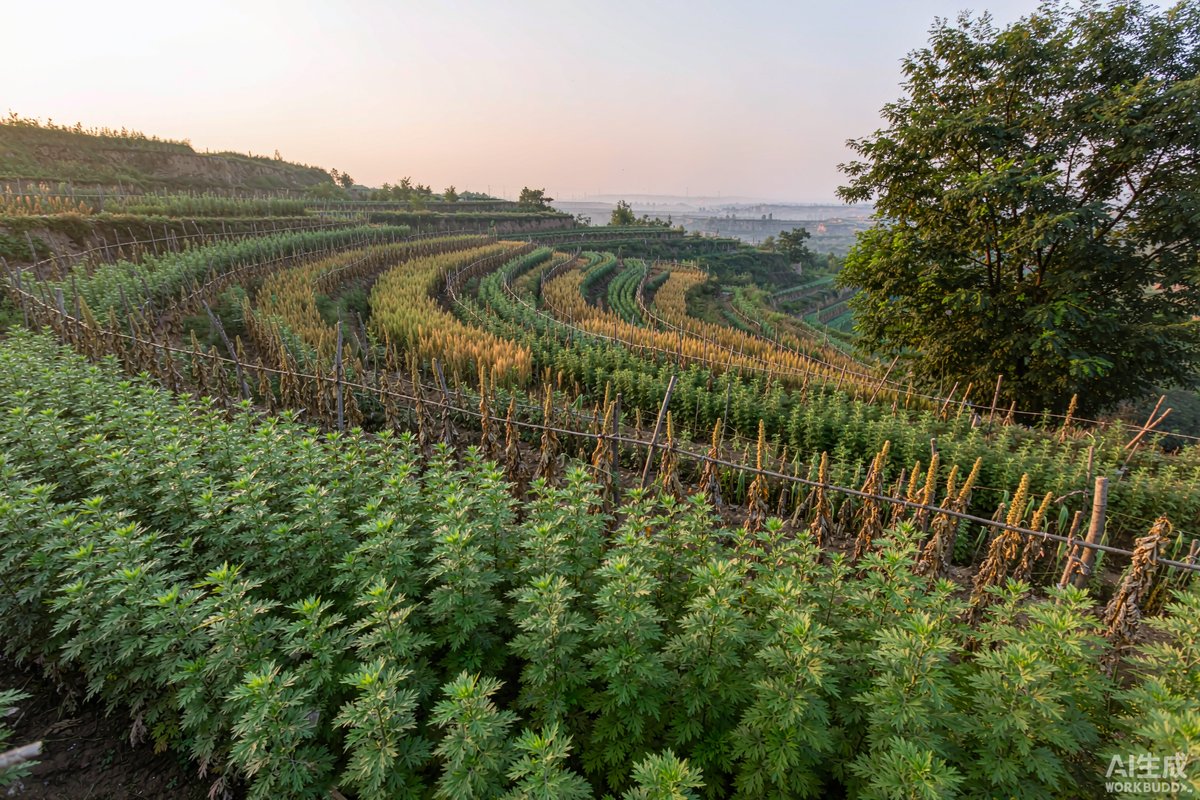
On the map, an invisible "scent belt" runs across China — near the 33rd parallel north,
from the Hanzhong basin to the Jianghuai plain, is roughly the most comfortable latitude for many native herbs to grow.
Bozhou sits quietly on that belt (about 33.8°N).
Its advantage is not any single herb, but the whole terroir: warm-temperate sun, sandy loam,
and a wide day-night temperature swing that lets plants accumulate aroma slowly.
(Note: latitude and terroir are the cultural and geographic background of "authenticity" — they are not any efficacy claim.)
Bozhou herb fields along the 33°N belt
When we say "the scent of 33°N", we really mean a traceable reassurance —
you know where it comes from and whose hands made it, not a bottle of unknown perfume oil.
shejipin.com01 / 06
shejipin.com · Cultural E-ZineVol.01 · Herbs & Handcraft · A Bozhou Reader
02 Bozhou: botanical wisdom from Hua Tuo's hometown
A city that wrote "medicine" into its DNA
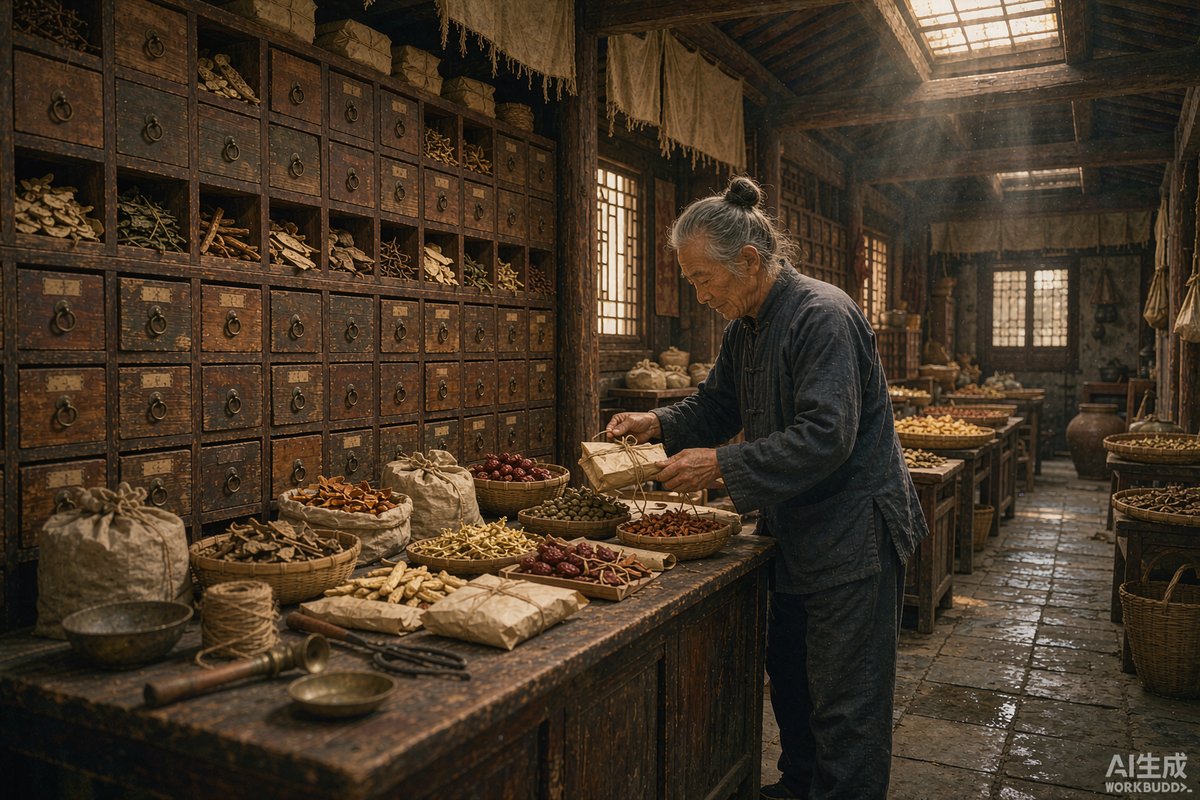
Bozhou is called the "medicine capital", tracing back to the long herbal tradition of Hua Tuo's hometown.
For a thousand years its people have made a living around herb markets, cultivation and processing —
plants are not just crops here, but an everyday language.
That botanical wisdom is now sewn into sachets, rolled into scent beads, shaped into clay figures.
What we do is simply tell the gentle, modern-acceptable part of it, as it is —
about scent, and about slowing down.
A traditional herb market in Bozhou's old town
"When the scent is right, you feel at ease." — a Bozhou artisan's saying
shejipin.com02 / 06
shejipin.com · Cultural E-ZineVol.01 · Herbs & Handcraft · A Bozhou Reader
03 What's inside a sachet: the herb list
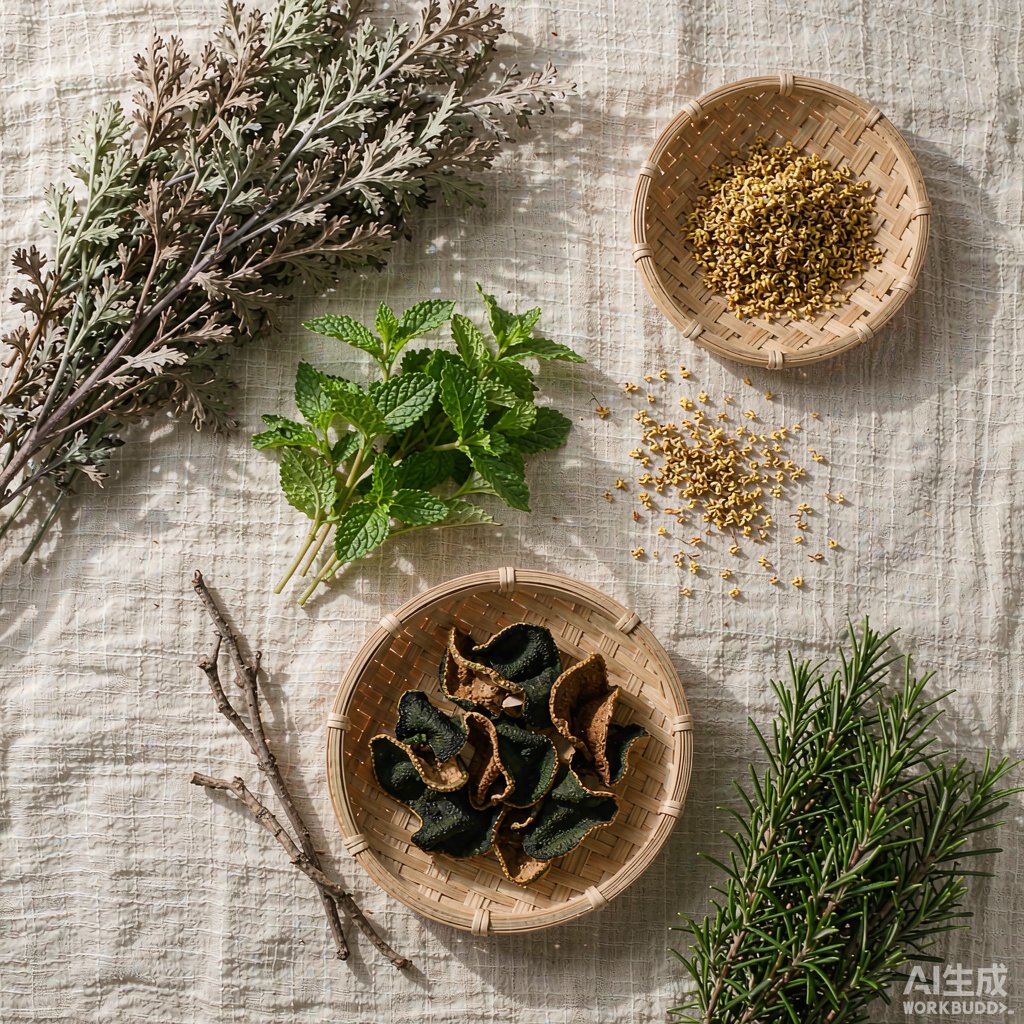
Only real, recognizable dried herbs — no synthetic fragrance
Mugwort Clean, bracing herbal note — the classic star of Eastern Dragon-Boat Festival sachets.
Mint Cool and bright, adds a breath of air to the scent.
Osmanthus Warm, sweet floral — the gentlest base in the Eastern olfactory palette.
Angelica (Bai Zhi) Steady, spiced woody note, often paired with mugwort to lift the blend.
Dried Tangerine Peel (Chen Pi) Fruity with a hint of bitterness; softer with age, adds depth.
Rosemary Clear, faintly woody — a Western herb meeting the East.
Flat lay of the sachet herbs
⚠ Compliance note: the botanicals listed here are shown for fragrance and cultural appreciation only.
They are not medicine and make no claim to treat, prevent, or improve any health condition.
Pregnant or sensitive individuals should consult a doctor or avoid use.
shejipin.com03 / 06
shejipin.com · Cultural E-ZineVol.01 · Herbs & Handcraft · A Bozhou Reader
04 The making: every stitch a quiet care
Slow is the most expensive cost of this sachet
①
Blend
②
Weigh
③
Grind / Fill
④
Stitch
⑤
Finish
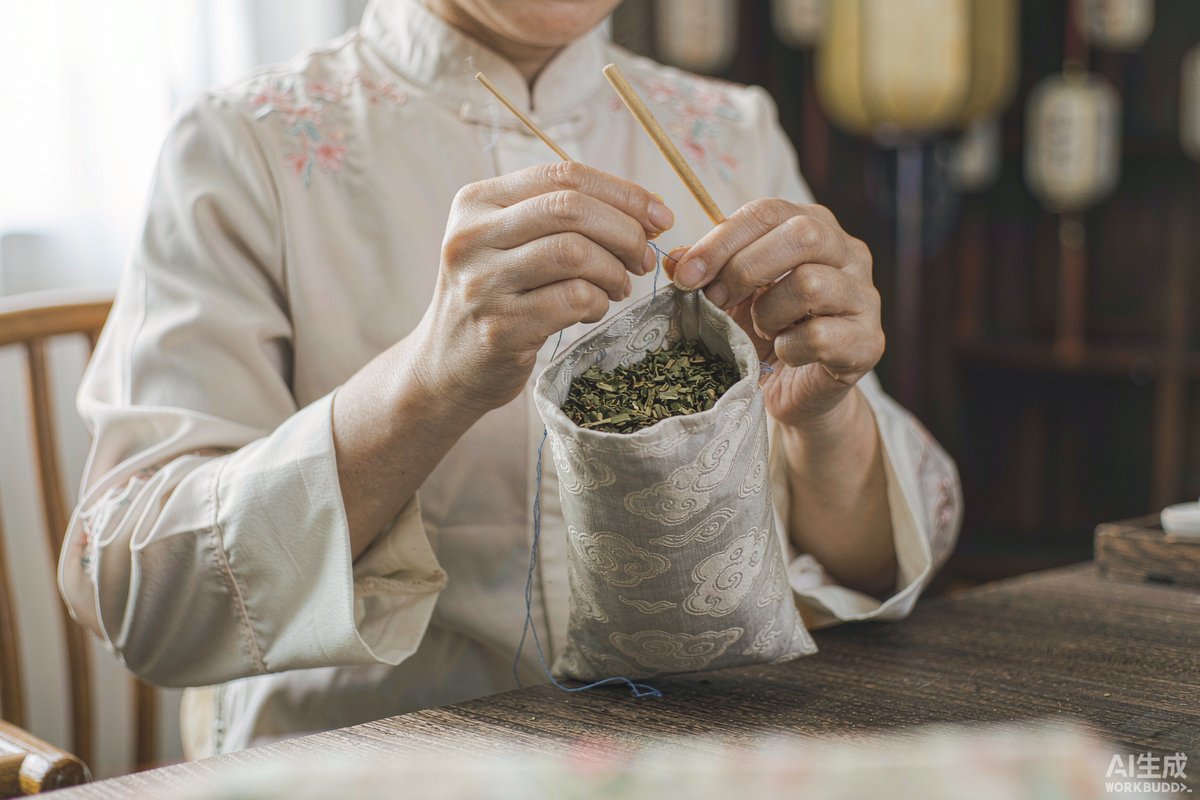
No assembly line, only hands. From weighing to stitching, each sachet takes an artisan tens of minutes.
The soft clink of the scale, the rustle of cloth — a "real" that machines can never imitate.
Stitching a sachet by hand
That is why we insist on filming the whole process — what you buy is not just a sachet,
but a piece of handcraft time you can see and trust.
shejipin.com04 / 06
shejipin.com · Cultural E-ZineVol.01 · Herbs & Handcraft · A Bozhou Reader
05 Artisan profile
____ · a Bozhou-based artisan
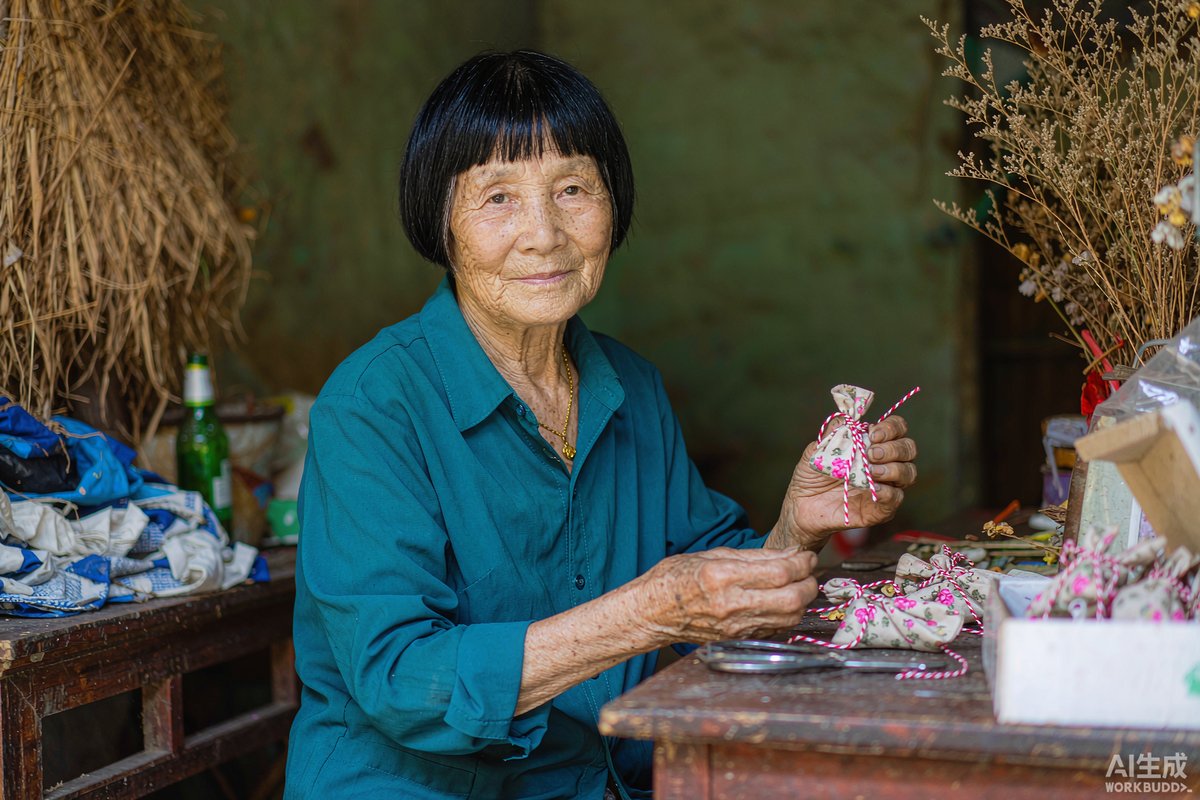
A Bozhou artisan at work
____ has lived in Bozhou for generations. From learning to name plants by an elder's side,
to running a small workbench of their own today — decades have gone by, one sachet at a time.
"My great-grandfather blended it this way. When the scent is right, you feel at ease."
(Above is template placeholder copy — replace with the real artisan's name, background, and authorized quote.)
shejipin.com05 / 06
shejipin.com · Cultural E-ZineVol.01 · Herbs & Handcraft · A Bozhou Reader
06 Next issue · Jingdezhen: The Kiln Opening
The same 33°N, another craft of fire and clay
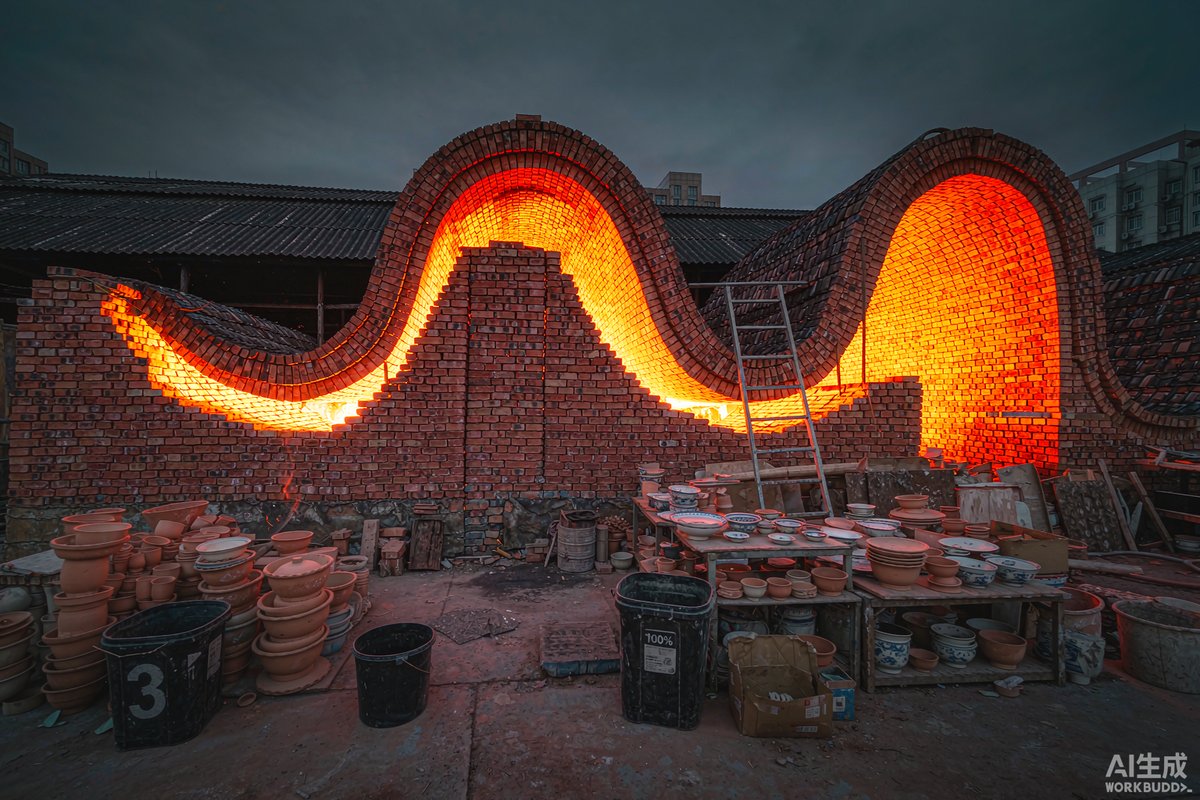
Next issue, we go to Jingdezhen and record a kiln of porcelain from kneading the clay and throwing the wheel to the opening —
the heat, the waiting, and that moment of surprise when the kiln opens. Look out for Vol.02.
Jingdezhen dragon kiln
Free subscription
Leave your email and every issue of the e-zine and its handcraft stories arrives directly:
① Email list (Substack / Mailchimp) ② One-tap subscribe on the homepage Linktree
shejipin.com
Published by shejipin.com · A free cultural reader. All rights reserved; not for resale or medical claims.
Botanical content is for fragrance & culture only, not medicine, and makes no therapeutic claim.