A free reader about a fingertip world carved into a kernel
Free with subscription · No charge
A free cultural reader by shejipin.com. A decorative craft — not food, not a toy.
shejipin.com · Cultural E-ZineVol.03 · A World Inside a Walnut · A Bozhou Pit-Carving Reader
Editor's Note
The fourth thread of one small city
We followed the scent of 33°N into Bozhou's herb sachets, then watched dough turn into a Tang lady. This time, we pick up a knife and a walnut.
Bozhou's craft is not one thing. Thread by thread, it gathers into a quiet cluster of four: herbs (sewn into sachets), red clay (shaped into figures), dough (pinched into little ladies), and now pit carving — a pavilion no larger than your thumbnail, cut from a single walnut shell.
We call this issue the "pit" thread — not to sell, but to share how a hard little kernel becomes something worth keeping in your palm.
If you collect slow, handmade things, leave us your email. After Bozhou, we finally walk into a Jingdezhen kiln opening — the fire-and-clay chapter of this same Eastern handcraft journey.
Preview note: the pit-carving photos in this issue are AI-generated previews and will be replaced with original step-by-step photography in the final edition.
Contents
01Four threads: Bozhou's craft clusterP03
02Pit, not clay: what makes it specialP04
03The making: sketch, hollow, carveP05
04In the palm: why we keep itP06
05Artisan profileP07
06Next issue · Jingdezhen: The Kiln OpeningP08
shejipin.comFree reader · not for resale
shejipin.com · Cultural E-ZineVol.03 · A World Inside a Walnut · A Bozhou Pit-Carving Reader
01 Four threads: Bozhou's craft cluster
One city, four quiet threads of handcraft
Walk through Bozhou and you keep meeting the same idea in different materials. The herb market that fills sachets with scent; the red-clay studios that fire little figures; the dough benches where a pinch becomes a face; and the carving table where a knife hollows a walnut into a pavilion.
None of these is "invented" — they grew side by side, passed hand to hand for generations.
Bozhou is famous for its flower-theatre wood and brick carving, so the carving hand was already here. Pit carving is simply that hand, shrunk to a kernel: no kiln, no fire, just a shell, a blade, and patience.
(Note: Bozhou's latitude and terroir are the geographic and cultural background of these crafts — they are not any efficacy or food-safety claim. A pit carving is a decorative object, full stop.)
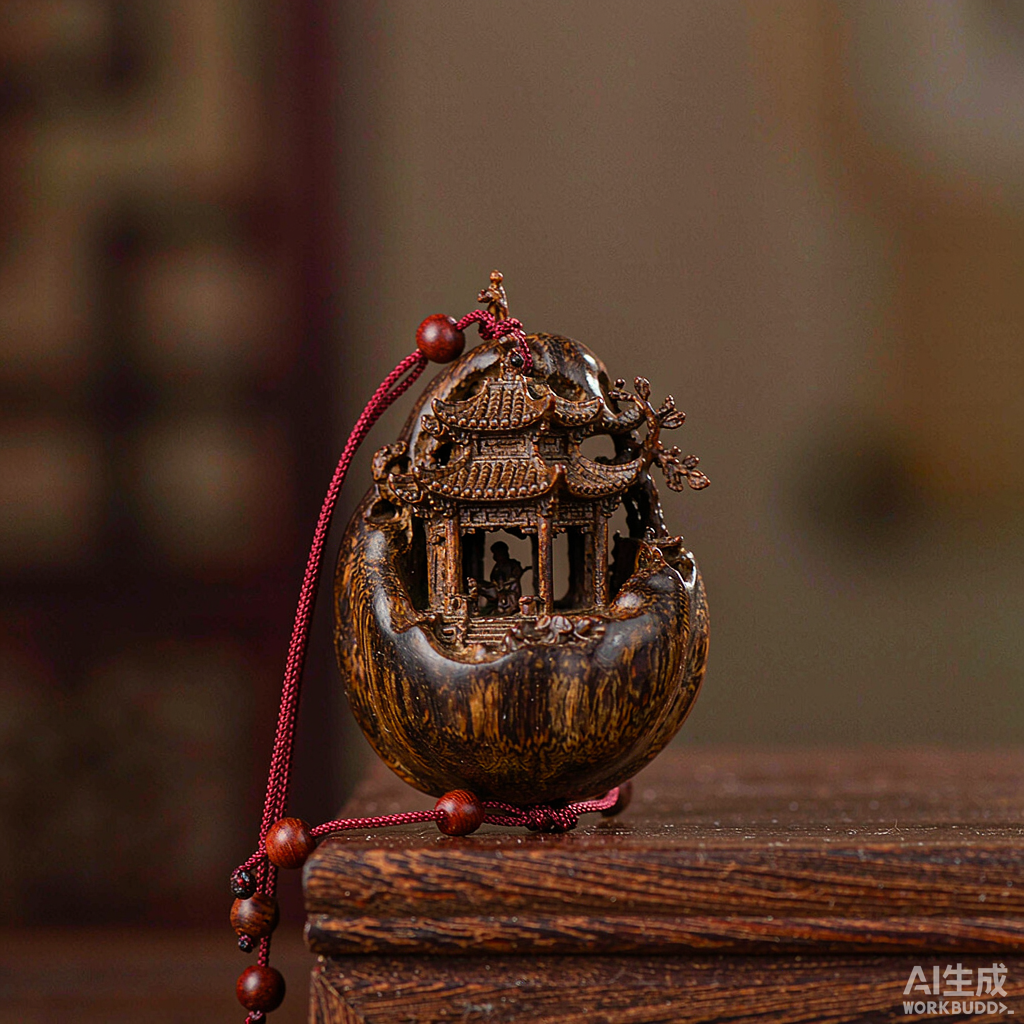
A Bozhou pit carving — a pavilion cut from a single walnut shell (preview)
When we say "the pit of Bozhou", we mean a traceable, handmade reassurance — you know whose table it came from, not a mass-produced trinket.
shejipin.com01 / 06
shejipin.com · Cultural E-ZineVol.03 · A World Inside a Walnut · A Bozhou Pit-Carving Reader
02 Pit, not clay: what makes it special
Same "tiny figure", a completely different material
A pit carving looks like a tiny sculpture at a glance — but the material could not be more different. Pit carving (he diao) starts from a natural hard shell — a walnut, peach stone, or olive pit — and is hollowed and carved entirely by hand with fine blades; every piece keeps the kernel's own grain, which no two shells share. Clay and dough figures start from earth or flour and need firing or steaming.
That natural, unrepeatable grain is exactly why pit carvings carry one hard rule we repeat on every product card:
⚠ Compliance note: pit carvings are decorative collectibles, not edible and not toys (非食品·非玩具). They are craft objects, never food.
Because they have small hollowed parts and carved chips, they are not suitable for children under 3 (choking risk) — keep away from mouth.
We use food-grade or natural wax for finishing, but the finished piece is not for consumption.
Hollowing the shell by hand — blade, patience, and the kernel's own grain (preview)
Because the shell is thin and brittle, pit carvings also dislike drops and humidity, which is why most collectible pieces travel in a padded brocade box (see 04).
shejipin.com02 / 06
shejipin.com · Cultural E-ZineVol.03 · A World Inside a Walnut · A Bozhou Pit-Carving Reader
03 The making: sketch, hollow, carve
Slow is the most expensive cost of this little world
①
Sketch
②
Hollow
③
Carve
④
Wax & string
No mold, no machine — only a blade and a steady hand. From a marked shell to a finished pavilion takes an artisan hundreds of cuts:
the light scratch of the outline, the soft rasp as the wall is thinned, the single window cut that lets light through the little building.
The quiet of the table is the part machines can never copy — and the grain inside each shell means no two are alike.
Every cut is final — the moment the figure takes shape (preview)
That is why we film the whole process: what you keep is not just a pendant, but a piece of handcraft time you can see and trust.
shejipin.com03 / 06
shejipin.com · Cultural E-ZineVol.03 · A World Inside a Walnut · A Bozhou Pit-Carving Reader
04 In the palm: why we keep it
A small object that asks to be held, slowly
A pit carving is tiny — smaller than a thumbnail — and that is its charm. It rides on a cord at the neck, rests on a wooden stand on the desk, or sits in a brocade box as a quiet keepsake.
A carved kernel is a small, human, one-of-a-kind thing: a pavilion that traveled two thousand years of carving hand to sit in your palm.
Unlike dough, it needs no glass dome — but like all fragile handwork, it asks for gentle hands.
A palm collectible and a wearable pendant
⚠ Care note: the brocade box is protective packaging, not a guarantee. Handle gently, avoid drops and long humidity, and keep away from direct heat. We never claim a pit carving is "unbreakable".
shejipin.com04 / 06
shejipin.com · Cultural E-ZineVol.03 · A World Inside a Walnut · A Bozhou Pit-Carving Reader
05 Artisan profile
____ · a Bozhou-based pit-carving artisan
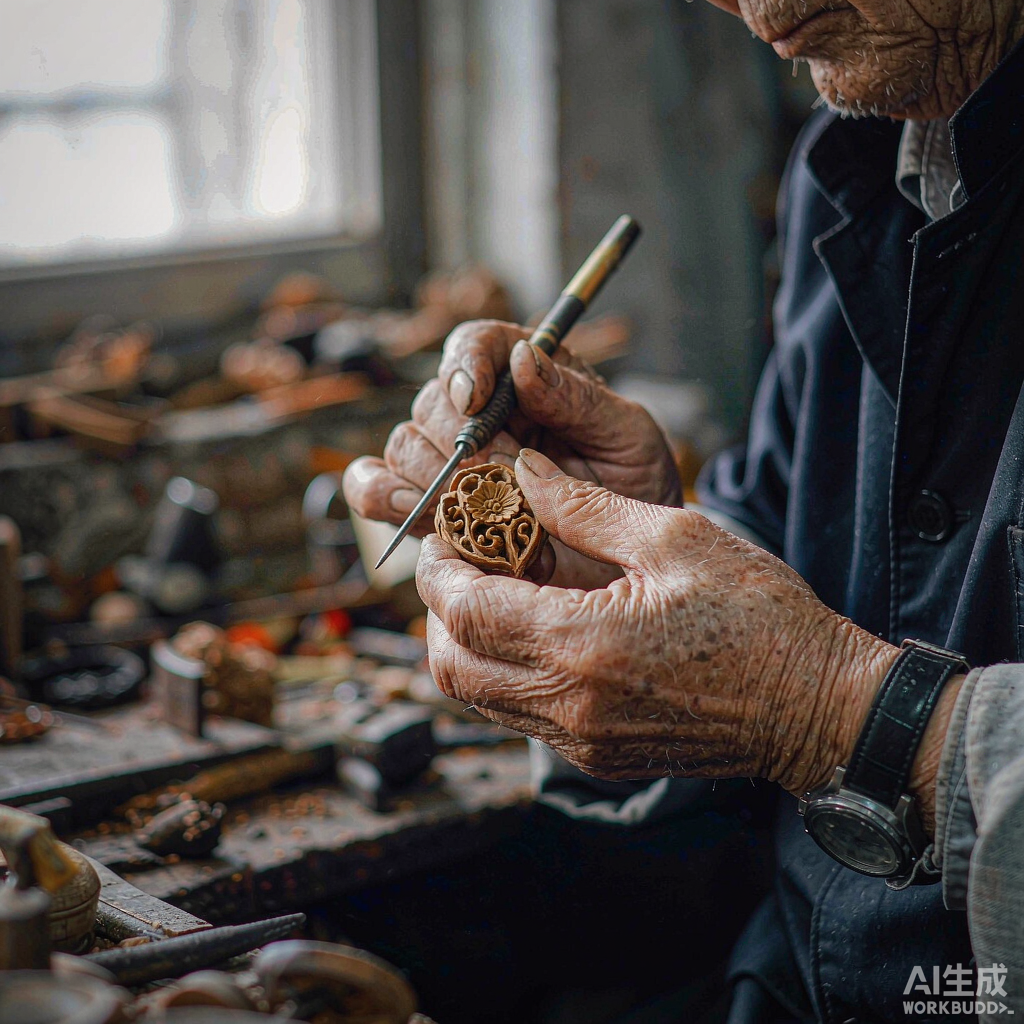
At the carving table in Bozhou (preview)
____ learned the blade from an elder in Bozhou and has kept a small carving table of their own ever since — decades gone by, one kernel at a time.
"A cut does not come back. That is why the hand must be calm." — a Bozhou artisan's saying
(Above is template placeholder copy — replace with the real artisan's name, background, and an authorized quote before publishing.)
shejipin.com05 / 06
shejipin.com · Cultural E-ZineVol.03 · A World Inside a Walnut · A Bozhou Pit-Carving Reader
06 Next issue · Jingdezhen: The Kiln Opening
The fire-and-clay chapter of the same journey
Next issue, we go to Jingdezhen and record a kiln of porcelain from kneading the clay and throwing the wheel to the opening —
the heat, the waiting, and that moment of surprise when the kiln opens. Look out for Vol.04.
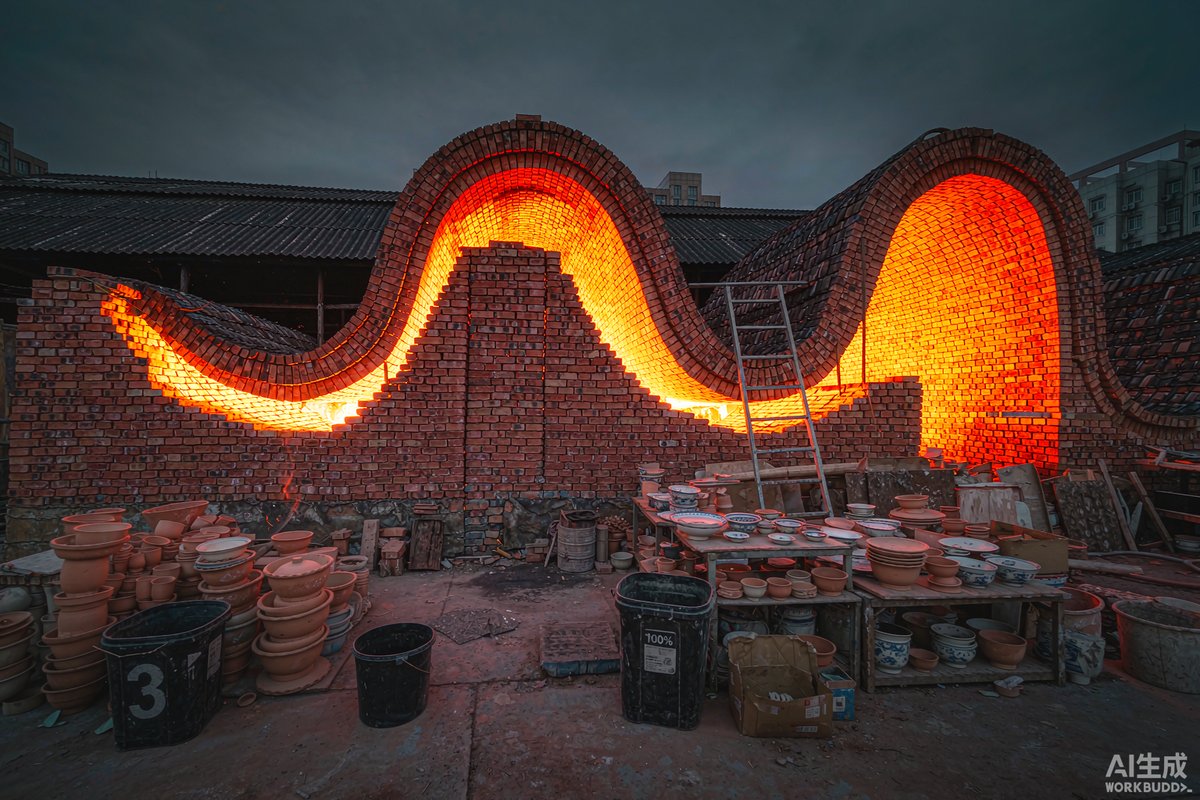
Jingdezhen dragon kiln
Free subscription
Leave your email and every issue of the e-zine and its handcraft stories arrives directly:
① Email list (Substack / Mailchimp) ② One-tap subscribe on the homepage Linktree
Published by shejipin.com · A free cultural reader. All rights reserved; not for resale.
Pit carvings are decorative craft, not food and not toys, and make no therapeutic, edible, or food-safety claim.
Not suitable for children under 3 (choking risk).